


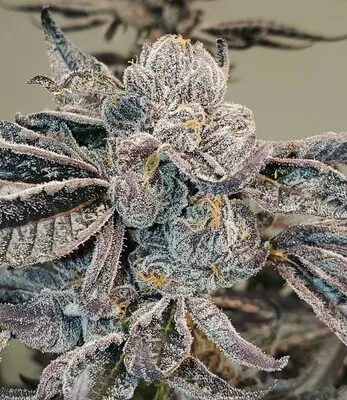
Blue Dream is a widely recognized cannabis variety, and its popularity can make it an appealing choice for a new garden. However, a familiar name does not remove the need for practical planning. Growers comparing blue dream clones for sale should consider genetic source, expected structure, plant stage, available height, and the conditions the clone will encounter after arrival. A vigorous plant can perform well when the room is prepared, but it can become difficult when selected only because of its reputation.
Verify the Genetic Source
Clones are valued because they carry the genetics of a mother plant. That advantage depends on accurate labels and responsible mother-stock management. Buyers should ask how the supplier identifies varieties and whether the cutting came from verified female stock.
Popular strain names can be used inconsistently. A dependable seller should provide more than a name by explaining the general structure, flowering time, and plant stage. Transparent records are more useful than promises about exact effects, aroma, height, or yield.
Understand the Plant’s Growth Habit
Blue Dream is often described as vigorous and capable of notable vertical development. Growers should plan around the mature structure rather than the clone’s delivery height. A low tent may require more active canopy management and careful timing, while a larger room provides more flexibility.
Measure the usable height after accounting for the container, drainage tray, light fixture, and safe distance below the light. Floor space also matters because branching can widen the canopy. Leave enough room to inspect inner foliage and move air around the plant.
Choose the Right Development Stage
A newly rooted clone and a larger teen plant require different preparation. The smaller plant may need more time to establish, while the teen may need immediate room and a larger container. Product listings should explain approximate size and rooting stage.
When growers buy clones online, they should confirm whether the photograph represents the typical fulfillment size or simply an example. Clear stage information prevents the plant from arriving before the room is ready.
Prepare the Environment Before Delivery
Lighting, ventilation, containers, and monitoring equipment should be installed and tested in advance. The grower should know the room’s temperature and humidity during both light and dark periods. Waiting until the plant arrives to test equipment can expose it to avoidable instability.
A clean observation area is also useful. New plants should be inspected before they are placed beside established ones. Leaves, stems, growing media, and visible roots can be checked for damage, pests, webbing, or unusual spotting.
Acclimate the Clone Gradually
Nursery conditions may be different from the final growing room. A plant accustomed to moderate light and controlled humidity can react badly to immediate exposure to a powerful fixture or strong outdoor sun. Begin with a gentler transition and increase intensity as the plant settles.
Watch leaf posture, color, and moisture use. Sudden drooping or bleaching may be connected to environmental change rather than genetics. Avoid changing light, feeding, and watering practices simultaneously, because multiple adjustments make diagnosis difficult.
Manage Watering and Root Health
A vigorous variety still depends on healthy roots. Check the growing medium instead of watering automatically. The container may arrive moist from the nursery, and adding more water can reduce oxygen around the root zone.
If transplanting is necessary, handle the roots gently and provide stable conditions afterward. Repeatedly moving a stressed plant between containers can slow recovery. New growth is often a better measure of adjustment than older leaves that were damaged during transport.
Build a Simple Nutrition Plan
Young clones generally need a more conservative nutrient approach than established plants. Follow product labels, consider the previous nursery routine, and avoid adding several supplements at once. Excess concentration can create leaf symptoms that resemble deficiency.
If using a hydroponic system, monitor root-zone pH, overall concentration, water temperature, and oxygenation. In soil or another medium, pay attention to drainage and the rate at which the container dries. The aim is a repeatable program, not constant correction.
Protect Airflow and Access
As the canopy expands, inner leaves can become harder to inspect. Leave enough room around the plant for gentle circulation and routine access. Strong direct fan pressure can stress young growth, while stagnant air can create humidity pockets.
Arrange the room so the plant can be viewed from more than one angle. Early pest signs, damaged stems, and uneven light exposure are easier to notice when the grower can reach all sides.
Review Seller Support and Policies
A responsible supplier should provide clear availability, expected size, fulfillment timing, and arrival guidance. Buyers should read the reporting policy before payment and understand how quickly damage or shortages must be documented.
Photographs of the package, label, container, and plant condition can support communication. Reliable customer service should offer realistic guidance rather than guaranteeing that every plant will behave identically.
Confirm Legal Requirements
Cannabis plant possession, delivery, and cultivation rules vary by location. Buyers should verify current age limits, plant limits, property restrictions, medical provisions, and commercial licensing requirements through official sources.
A plant that fits the room but not the legal framework is not a responsible purchase. Renters and residents of managed communities should also review private agreements.
Keep a Weekly Growth Record
A vigorous plant can change the room quickly. Measure height and canopy width once a week, note changes in light distance, and photograph the plant from the same positions. These records help the grower recognize stretching early and adjust the layout before branches reach equipment or block access.
Final Thoughts
A vigorous Blue Dream clone can be a practical choice when the grower has enough space, stable equipment, and time for regular care. Genetic verification, clear plant-stage information, secure delivery, gradual acclimation, and root-zone management all influence the quality of the start.
Popularity should be treated as a reason to research, not a reason to skip planning. Measure the room, prepare the receiving area, understand the supplier’s standards, and keep records during the first weeks. A well-organized environment allows the plant’s genetics to develop without being limited by avoidable crowding or abrupt changes.